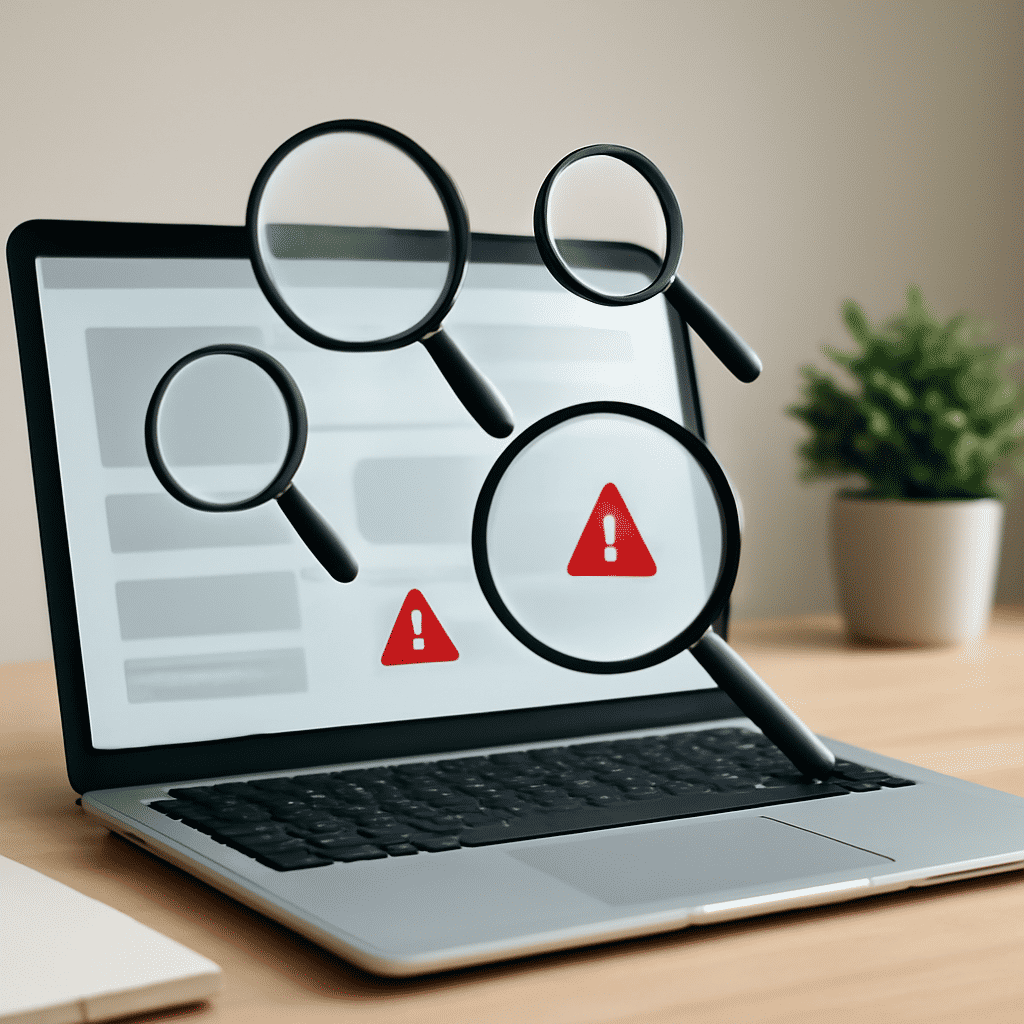
In the evolving landscape of digital communication, it is essential to be equipped with the awareness necessary to navigate online interactions safely. Recognizing potential warning signs is crucial for ensuring healthy and safer virtual relationships. Here's how you can protect yourself by identifying potential concerns in your online interactions.
Stranger Requests: One of the initial signs to be mindful of is unsolicited contact from unknown individuals. If you receive a message from a stranger, especially if it is not in response to a public query or common interest group, approach with caution. Question their intentions and verify their identity to ensure authenticity.
Inconsistent Profiles: Check for inconsistencies within an online profile. If the profile picture doesn't match the content or if there are contradictions in the user’s information, this could be a warning signal. This might indicate someone posing under false pretenses or misrepresenting themselves.
Pressure for Personal Information: Be wary of any individual who pushes aggressively for your personal details. This includes asking for your home address, phone number, or other sensitive information too early in the interaction. Guarding your personal data is essential to maintaining your privacy and security online.
Excessive Flattery or Urgency: While compliments are a staple of friendly conversation, be cautious if someone is excessively flattering or trying to rush your interactions. This can be a tactic to manipulate your emotions and gain favor or trust quickly.
Resistance to Public Engagement: Another sign of potential trouble is if someone avoids engaging with you in public or open settings. They might insist on private conversations, which could be a strategy to avoid scrutiny from others who might catch inconsistencies or warning signs.
Links and Attachments from Unknown Sources: Never open links or download attachments from individuals you do not know or trust. These can lead to harmful downloads or compromise your digital devices and personal data.
Unverifiable Stories: Be alert to stories that can't be backed up or sound too dramatic to be true. These can be fabricated narratives intended to gain sympathy or manipulate feelings. Always seek evidence and verify claims when something feels off.
Monitoring Over Time: Pay attention to how their behavior evolves. Consistency is key in online interactions. Sudden changes in tone, increased demands, or excitement followed by guilt or excuses can reveal much about their true intentions.
By being observant and adopting a cautious yet open approach, you can safeguard your well-being in the digital social sphere. Always trust your instincts, educate yourself on these potential warning signals, and take pre-emptive actions to foster healthier online relationships.